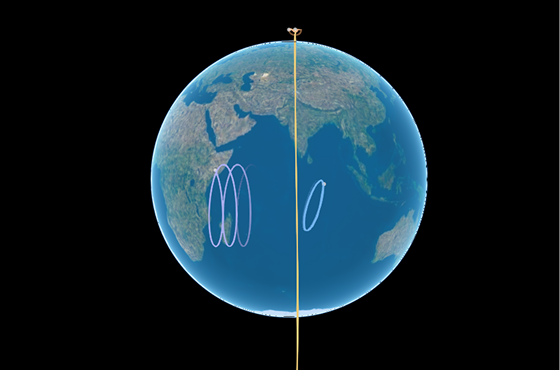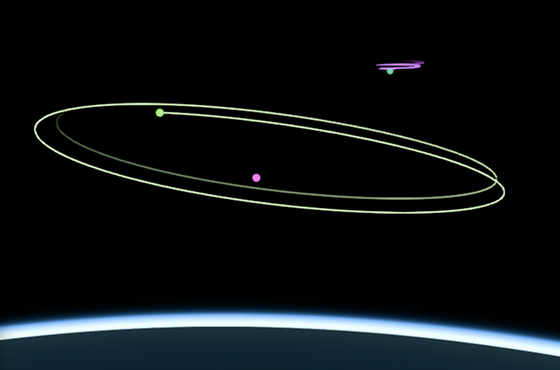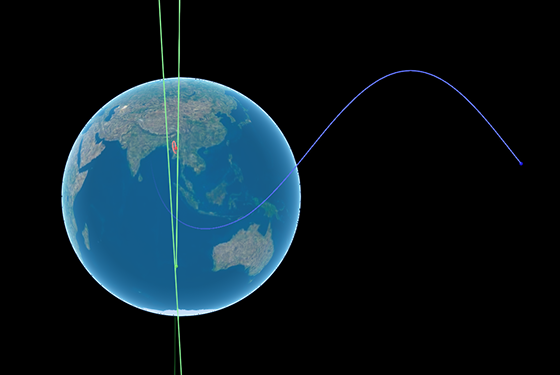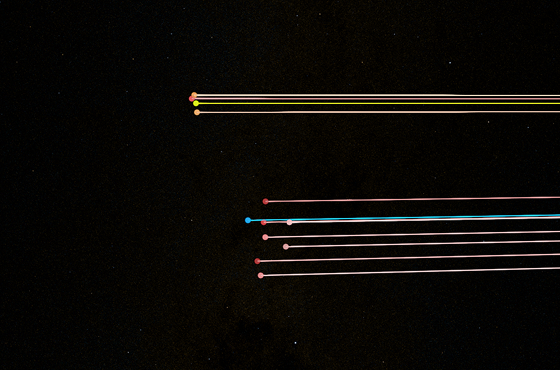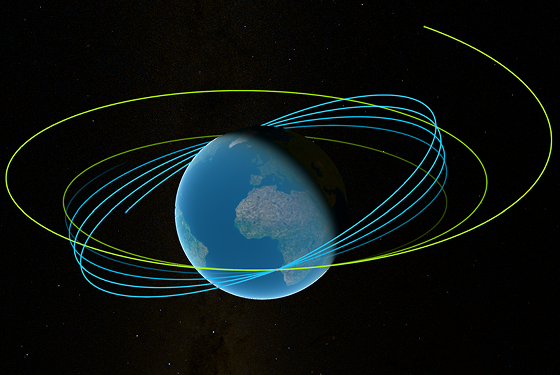


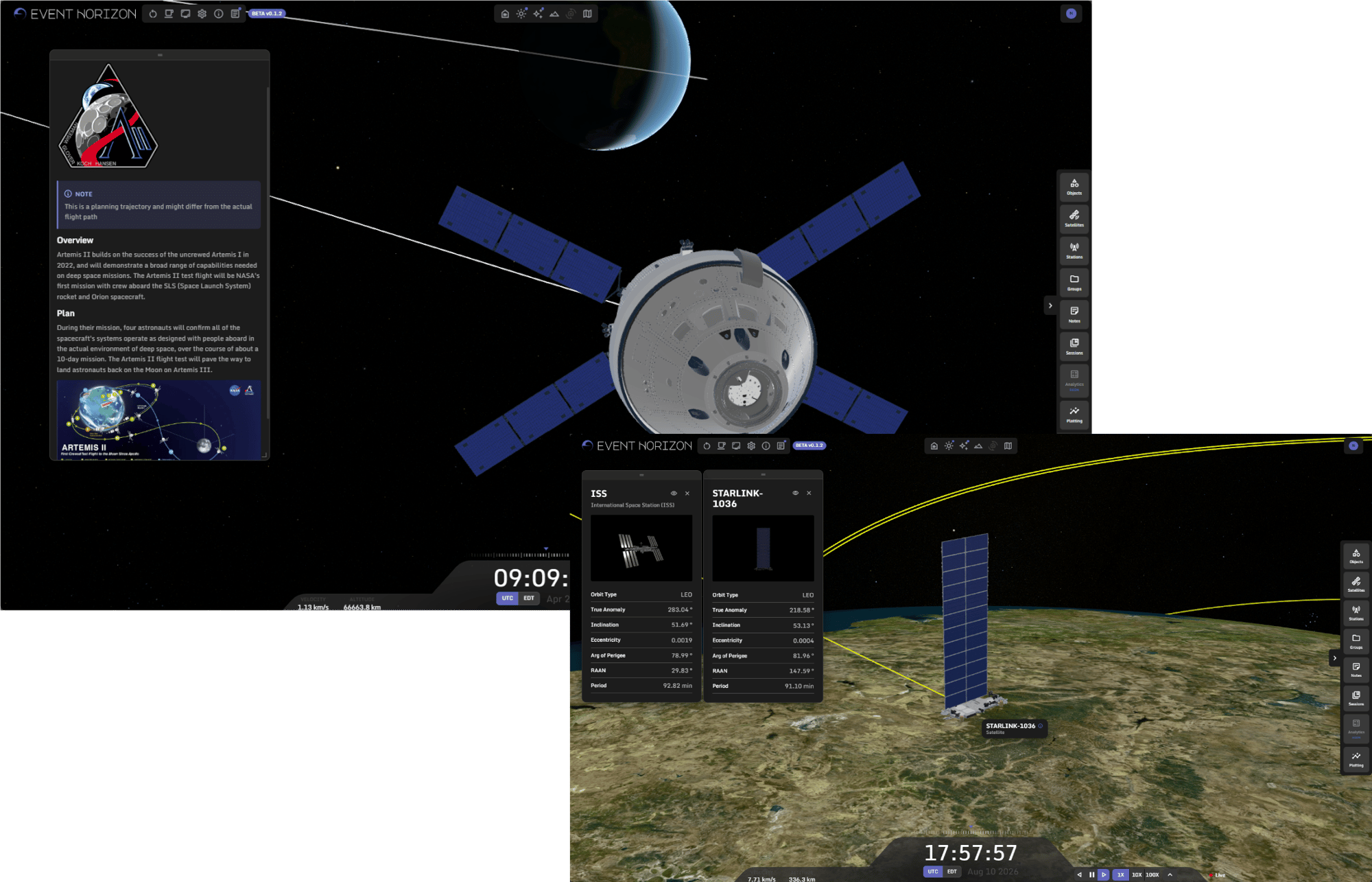
Event Horizon is a browser-native mission visualization platform designed for space operators, engineers, and even technical marketing teams focused on delivering an immersive and dynamic solution to showcase mission plans, highlight achievements and celebrate mission milestones. Event Horizon lets mission design teams easily convey their visions, plans, and achievements to a much broader audience!

Meet Event Horizon
Complex mission designs and unique trajectories can be challenging to demonstrate, but Event Horizon was built with this in mind. Thanks to its native support of unique coordinate frames and reference systems, engineers can easily use Event Horizon to bring their mission to life and take advantage of its immersive visualization and playback features.
Tell Your Mission's Story
Built from the ground up to accommodate flexibility in how mission data can be introduced and visualized, Event Horizon’s front end provides a work-flow driven experience for users to introduce their space domain objects, control appearance, and highlight mission milestones for audiences to better understand the mission’s goal, challenges, and accomplishments.
- Interactive 3D Visualization
- Web-Native Solution
- Space Object Catalogs
- Import From Trajectory/Ephemeris/Attitude Data
- Supports Object Covariance/Uncertainty
- Flexible Time Controls For Playback
- User-Created Notecards Highlight Mission Milestones
- Ingest Realtime Telemetry for Realtime Support
Immersive Visualization
Event Horizon’s physics-accurate 3D visualization framework allows mission designs to be easily understood and conveyed right from a web browser. Support for complex trajectories is also a key feature, such as representing spacecraft trajectory in fixed or inertial frames to help visualize and understand missions in intuitive ways, necessary for users to more easily understand an object’s historical or future paths.
Flexible / Deployable
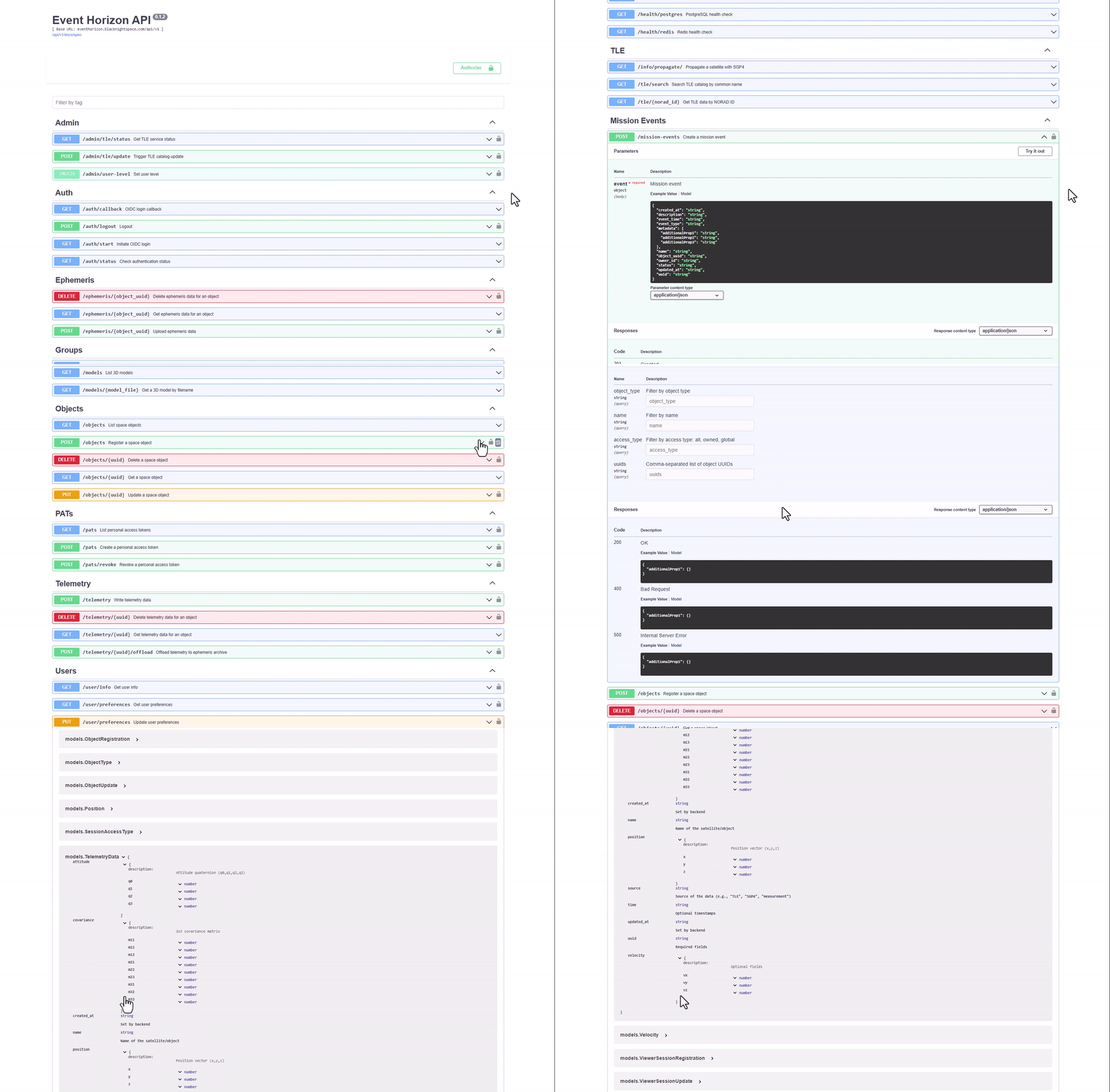
Event Horizon’s web-first format means it can be hosted anywhere. Whether the intent is for an on-prem instance for your organization’s own use, or publicly hosted for a global reach bringing awareness of your missions, systems, and accomplishments to the general public, Event Horizon’s framework makes this possible. Additionally, a fully documented API backend allows for customization and integration with your own tools, workflows, and data.
Event Horizon API Documentation
Example Missions

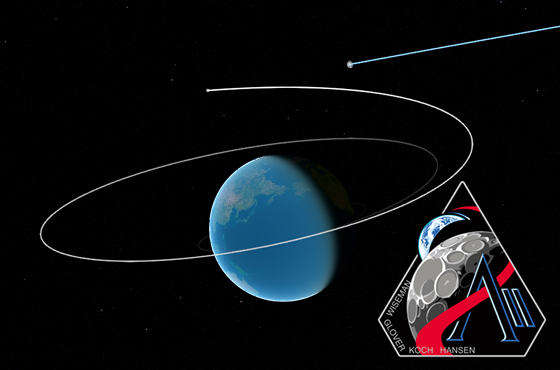
Artemis II Crewed Lunar Flyby Mission
Artemis II builds on the success of the uncrewed Artemis I in 2022, & demonstrated a broad range of capabilities needed in deep space.

GEO Space Domain Awarenss March 2026
Satellites: SJ 29A and SJ 29B with USA 324 and USA 325
Closest Approach Approximately 63 km

LEO Rendezvous & Proximity Operations
Closest Approach Approximately 3 m

Collision Avoidance Training Exercise

Tag Team GEO Space Domain Awareness

Tag Team GEO Space Domain Awareness

GEO SDA: July 2026
Satellites: COSMOS 2589, USA 271, USA 325. June to July 2026 Rendezvous and Proximity Operations.

LEO Collision and Debris Event

Training: Satellite Maneuvers

Collision Avoidance Training Exercise

Tag Team GEO Space Domain Awareness

Tag Team GEO Space Domain Awareness
Get Started...
You can try Event Horizon for yourself today! Sign up for an account, create objects, and author missions that you can share with others!
Questions?
Reach out! We can help recommend the right product configuration and get you up and running quickly!